Knitters seeking premium yarn alternatives discover that superior quality, stitch definition, and durability transform projects from ordinary to exceptional.
High-quality fibers deliver better stitch clarity, improved drape, and garments that age beautifully rather than pill or lose shape.
Brae & Heather specializes in curated, expertly sourced fibers from lightweight sport-weight options for delicate colorwork to substantial aran yarns for structured projects. Understanding what makes one yarn superior requires examining gauge, fiber content, and construction.
Understanding Yarn Gauge, Weight, and Fiber Content
How Gauge Affects Your Project
Gauge determines how tightly stitches form and is expressed as the number of stitches per 4 inches. It directly impacts your finished garment's fit, drape, and appearance.
When substituting yarn, matching gauge is non-negotiable. A pattern calling for 20 stitches over 4 inches requires a yarn that produces exactly that density. This is why reading the ball band and knitting a swatch before committing yardage matters.
Pro TipAlways knit your gauge swatch using the recommended needle size and the exact stitch pattern from your project. Measure it after blocking if your pattern calls for blocking, gauge can shift significantly after blocking, especially with natural fibers.
The Difference Between Worsted and DK Yarn
Worsted and DK represent two distinct weight categories with different applications. Worsted weight, typically 17-20 stitches per 4 inches, works beautifully for sweaters, hats, and structured garments with excellent stitch definition (Standard Yarn Weight System).
DK weight sits between sport and worsted at 20-24 stitches per 4 inches, working for lightweight sweaters to detailed colorwork (Standard Yarn Weight System). Worsted excels in cables and texture; DK shines in colorwork and garments requiring drape.
A sweater in DK will be lighter and more refined; the same design in worsted becomes heavier and more structured.
The Importance of Knitting Swatches Before Committing
A gauge swatch reveals how your chosen yarn behaves before you commit to an entire project.
A swatch shows how the yarn splits under your needles, whether it has a halo, and how it drapes. Blocking can shift gauge significantly, especially with natural fibers.
A swatch takes 30 minutes to knit and block but prevents discovering halfway through a sweater that the yarn doesn't work as expected.
Best Natural Fiber Yarn Brands for Heritage Projects
Heritage projects demand yarns that honor their origins. Natural fiber yarns deliver the authenticity these designs deserve, with wool offering thermal properties and elasticity ideal for traditional knitting.
Look for producers committed to small-batch production and ethical sourcing, which often produce yarn with superior character and consistency.
Brae & Heather's collection emphasizes natural fibers sourced thoughtfully, ensuring knitters working on heritage projects receive materials worthy of their investment.
Key TakeawayNatural fiber yarns develop character with wear and age beautifully, making them the gold standard for heirloom projects you want to pass down.
Sport weight offers knitters the ability to create garments with beautiful drape and intricate stitch definition.
Regal 2-Ply DK 100% Wool Yarn
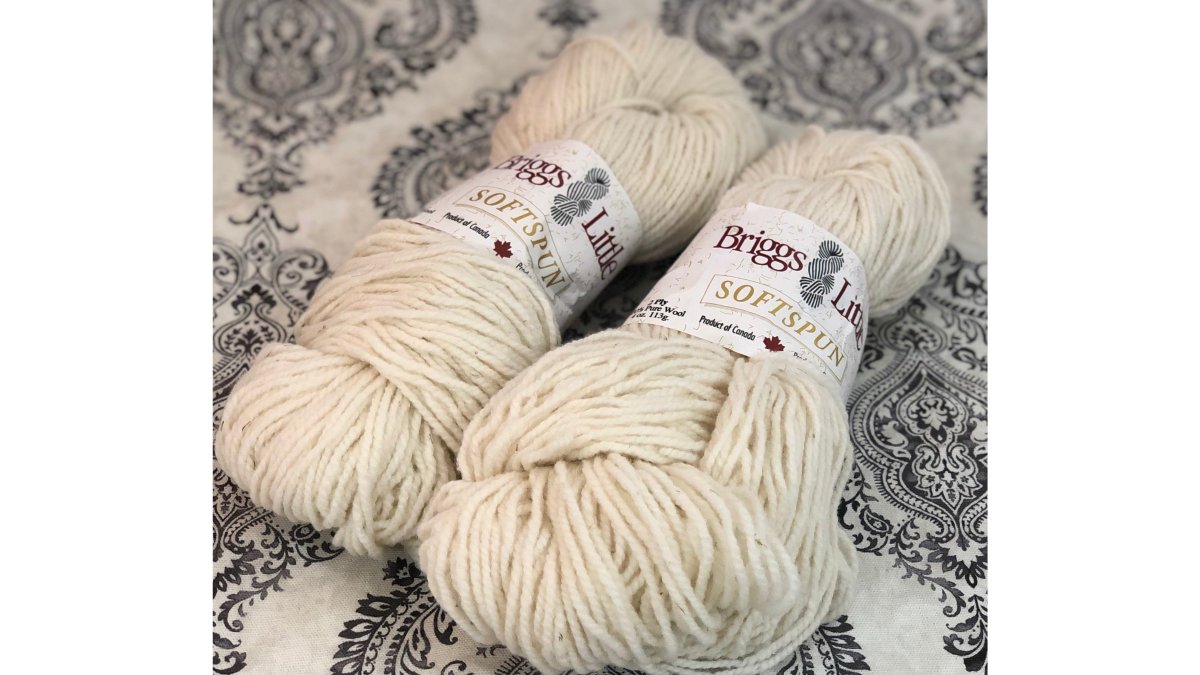
Softspun Cream Undyed
Brae & Heather's Sport Single Ply delivers 430 yards per 4-ounce skein at 24 stitches per 4 inches on 3mm needles, working beautifully for Fair Isle patterns.
This yarn excels in lace projects, allowing subtle shading changes to show clearly without overwhelming the pattern.
Why choose it: Superior yardage, single-ply construction, excellent stitch definition in colorwork
Regal 2-Ply DK: Versatile Weight for Sweaters and Accessories
DK weight represents the sweet spot for many knitters, heavy enough to work quickly, light enough to create refined garments.
The 2-ply construction provides stability and elasticity, meaning garments hold their shape through wear and washing.
Regal comes in a range of beautiful colors with a soft hand while maintaining excellent stitch definition.
Best for: Sweaters, colorwork projects, accessories, knitters seeking versatility
Why choose it: Balanced weight, 2-ply stability, beautiful color range, excellent for both solid and patterned work
Heritage 2-Ply Worsted: Classic Construction for Durability
Worsted weight yarns have been the foundation of traditional knitting for centuries.
The 2-ply construction creates a yarn built for durability, working exceptionally well for cables and textured stitches with crisp, clear stitch definition.
Heritage comes in a colorful array and withstands the wear and tear of daily-use garments without pilling or losing shape.
Best for: Cables, textured stitches, sweaters, hats, mittens, traditional patterns
Why choose it: Durability, excellent stitch definition in texture, classic weight for heritage designs
Softspun Cream Undyed: Luxury Fiber for Wearable Comfort
Softspun Cream Undyed represents luxury through understatement, a 25-micron wool soft enough to wear next to skin without irritation.
This yarn delivers 240 yards per 4-ounce skein at 20 stitches per 4 inches on 4.5mm needles with excellent recovery and resilience. The undyed cream color showcases the yarn's texture without dye distraction.
At 25 microns, Softspun delivers comfort that rivals luxury fibers.
Atlantic 3-Ply Aran: Substantial Weight for Heavy Projects
Aran weight represents the heaviest option in most knitter's repertoires.
The 3-ply construction creates a yarn with significant body and structure. This weight works beautifully for heavy sweaters, blankets, and projects requiring substantial fabric.
Atlantic is prized by rug hookers and fiber artists beyond traditional knitting.
Best for: Heavy sweaters, blankets, rugs, projects requiring substantial fabric, quick-progress designs
Why choose it: Substantial weight, 3-ply durability, quick knitting progress, excellent for heavy projects
Southern Shetlands Yarn Naturals Fingerling: Fine Detail and Drape
Fingerling weight sits at the finest end of the yarn spectrum, offering knitters the ability to create garments with exceptional drape and delicate stitch definition.
This 3-ply yarn ensures smooth, consistent knitting without the splitting issues that can plague finer single-ply options.
Southern Shetlands Yarn Naturals represents American craftsmanship, produced in small batches with care.
Best for: Shawls, socks, intricate accessories, fine colorwork, garments requiring exceptional drape
The ball band, the paper label wrapped around each skein, contains essential information for successful yarn substitution. Learning to read it fluently prevents costly mistakes.
The ball band displays fiber content, yardage, meterage, gauge, recommended needle size, and care instructions.
Yardage and meterage tell you how much yarn you have to work with. When substituting yarn, match yardage, not weight category.
Care instructions matter, especially for garments meant to last. Hand-wash requirements indicate the yarn needs gentle handling; machine-wash options expand the garment's practicality.
Watch OutIgnoring the care instructions on the ball band has ruined countless projects. A yarn requiring hand-washing will felt if machine-washed in hot water. Read the label, follow the instructions, and your garment will last for years.
Common Pitfalls When Substituting Yarn
Yarn substitution requires attention to detail. The most common mistake is matching weight category instead of gauge.
Ignoring fiber content creates another frequent problem.
Underestimating yardage requirements causes projects to stall mid-completion.
Overlooking dye lot differences creates visible color variations in finished garments. Each dye lot produces slightly different shading.
Finally, skipping the swatch step leads to gauge mismatch and ill-fitting garments. This step cannot be rushed or skipped.
Frequently Asked Questions
What should I look for in a premium yarn substitute for Purl Soho?
Evaluate fiber content first: look for 100% natural fibers like wool that offer superior stitch definition and longevity. Check the gauge and yardage against your pattern requirements. Examine the ply structure and twist to ensure the yarn will produce the drape and texture your project needs. Read the ball band carefully for care instructions and dye lot consistency. Test with a gauge swatch before committing to your full project.
What is the difference between worsted and DK yarn weights?
Worsted weight yarn is thicker, producing denser, warmer garments ideal for sweaters and outerwear. DK weight is finer, creating lighter drape and finer stitch definition perfect for colorwork and accessories. The choice depends on your project's intended warmth, structure, and the level of detail you want to showcase.
Why is fiber content so important when choosing premium yarn?
Fiber content determines how your finished garment will feel, wear, and age. 100% natural fibers like wool offer superior elasticity, recovery, and longevity compared to blends or synthetics. Natural fibers provide better stitch definition, allowing intricate colorwork and Fair Isle patterns to truly shine. They also regulate temperature and breathability for comfort across seasons. Premium natural fibers develop character and improve with age, creating heirloom-quality pieces rather than items that pill or lose shape after repeated wear.
How do I know if a yarn has good stitch definition for colorwork?
Knit a gauge swatch in your intended stitch pattern, paying attention to how clearly each stitch separates from its neighbors. Yarns with consistent ply structure and moderate twist produce the sharpest stitch definition. Single-ply and 3-ply constructions typically offer better definition than heavily twisted yarns. Hold your swatch up to light to assess clarity. Natural fibers like wool generally show superior stitch definition than synthetic blends, making them ideal for Fair Isle, stranded colorwork, and complex cable patterns.




0 comments