
Step by Step Guide to Casting Off
Publié le Oct 23, 2026
By Editorial Team
Économisez 25 % sur les patrons et accessoires de tricot, aucun code requis

Last Updated: October 23, 2026
Quick Summary
A step by step guide to casting off secures all your stitches and completes a knitting project by following five consistent steps: knit two stitches, pass the first stitch over the second, knit one more stitch, repeat the pass-over motion, and continue until all stitches are cast off. This finishing technique transforms loose loops into a stable, wearable piece and prevents your work from unraveling.
Casting off is the finishing technique that secures all your stitches and completes a knitting project. Without it, your work unravels the moment you remove the needles. It's the final step that transforms loose loops into a stable, wearable piece.
Many knitters rush through casting off, treating it as an afterthought. This is a mistake. A poor cast-off edge can ruin hours of careful work. It shows, it feels stiff, and it looks unfinished.
The right casting off technique depends on your project. A stretchy bind-off works beautifully on ribbed cuffs. A standard bind-off suits most sweaters and accessories. Knowing multiple methods gives you control over how your finished edge looks and behaves.
At Brae & Heather, we emphasize that mastering casting off is as important as learning to cast on. Both bookend your knitting journey. A step by step guide to casting off removes the guesswork and gives you confidence in your finishing work.
The standard bind-off is the most common casting off technique. It works for nearly every project type. Once you master this method, you have a reliable foundation for more advanced finishes.
Before you begin casting off, gather these essentials:
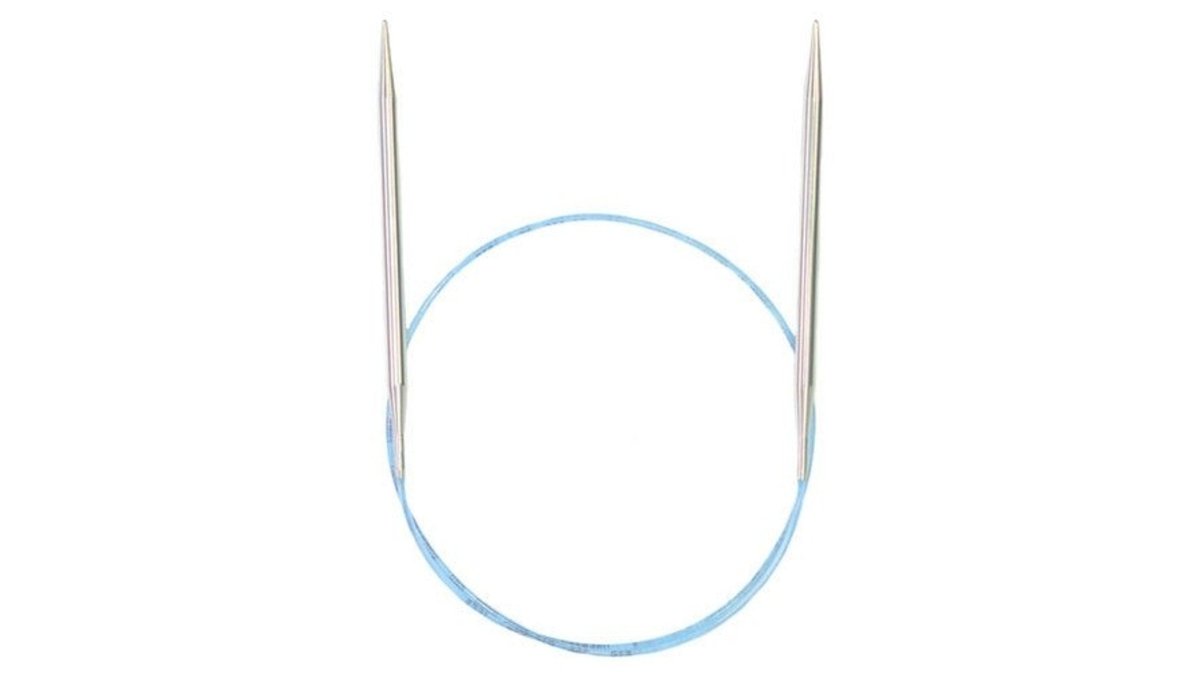
Quality needles make a real difference here. The Addi Turbo Knitting Needles are smooth and precise, which makes the casting off process feel controlled and easy. Their nickel-plated brass tips and flexible blue cord reduce hand fatigue during this final stage.

The basic bind-off follows a consistent pattern. Work through each step methodically, and your edge will be clean and secure.
Step 1: Knit two stitches. Work the first two stitches of your row as you normally would. You now have two stitches on your working needle.
Step 2: Pass the first stitch over the second. Using your left needle, lift the first stitch (the one closest to the tip) and pass it over the second stitch. This closes off one stitch. You're left with one stitch on your working needle.
Step 3: Knit one more stitch. Add another stitch to your working needle by knitting the next stitch from your project.
Step 4: Repeat the pass-over motion. Again, lift the first stitch and pass it over the newly knitted stitch. You're building a chain of secured stitches.
Step 5: Continue to the end. Keep repeating steps 3 and 4 until all stitches are cast off. When you reach the last stitch, cut your yarn and pull it through the final loop to secure it.
This method creates a neat, consistent edge. The tension should match your body stitches. If your cast-off edge looks tight or puckered, you're pulling too hard. Relax your tension slightly on your next project.
Ribbed edges need special handling during casting off. Standard bind-offs often pull ribbed edges too tight, creating an uncomfortable, bunched finish. A stretchy cast off preserves the elasticity of your ribbing.
The stretchy cast off knitting technique uses a larger needle or looser tension to keep stitches relaxed. This works especially well on cuffs, necklines, and waistbands where stretch matters.
Work your cast-off stitches on a needle one or two sizes larger than your project needle. This creates more space between stitches. The result is a flexible edge that moves with the wearer.
Alternatively, use the standard bind-off but purl your stitches instead of knitting them. This reverses the stitch structure and produces a softer, more flexible edge. Test this method on a practice swatch first to see how it affects your project's appearance.
The final stitch requires special attention. This is where many knitters make mistakes that cause their work to unravel.
How to secure the last stitch in knitting: After your final cast-off stitch, cut your yarn, leaving a 4-6 inch tail. Thread the tail through your yarn needle. Pull the needle through the final loop on your knitting needle. Pull firmly to tighten the loop around the yarn tail. This knot locks everything in place.
Some knitters prefer to weave the tail through nearby stitches for extra security. This creates a double-locked finish. Insert your yarn needle under 3-4 stitches below the cast-off edge, then weave back in the opposite direction. This distributes tension and prevents the final stitch from slipping.
Never leave the last stitch loose or rely on tension alone to hold it. A few seconds of attention here prevents your entire project from unraveling later.
Not all casting off happens at the end of a project. Many patterns require you to cast off stitches in the middle of a row. This technique is essential for armholes, button bands, and neck shaping.
Casting off stitches in the middle of a row follows the same principle as regular casting off, but you stop before reaching the end of the row. Work your cast-off sequence for the number of stitches your pattern specifies, then continue knitting the remaining stitches normally.
For example, if your pattern says "cast off 5 stitches," knit two stitches, pass the first over the second, then repeat this sequence three more times. After five stitches are cast off, pick up your regular knitting rhythm and work to the end of the row.
This creates a clean edge for shaping. The cast-off stitches form a small wall of security. The remaining stitches continue your pattern uninterrupted.
Understanding what goes wrong helps you avoid these pitfalls.
Mistake 1: Casting off too tightly. This creates a puckered, uncomfortable edge that doesn't match your body stitches. Your project looks unfinished and feels restrictive. The fix: Consciously loosen your tension. Some knitters hold their yarn slightly farther from their needles. Others use a larger needle for casting off only.
Mistake 2: Inconsistent tension. Stitches vary in size, creating a wavy edge. This happens when you're thinking about something else or rushing. The fix: Work slowly and deliberately. Focus on each stitch individually. Consistency matters more than speed.
Mistake 3: Skipping the final loop. You finish casting off but forget to secure the last stitch. Your work unravels within hours. The fix: Always cut your yarn with a tail, thread it through the final loop, and pull tight. This one step prevents disaster.
Mistake 4: Using the wrong needle size. A needle too small makes casting off difficult and tight. A needle too large creates loose, floppy stitches. The fix: Match your cast-off needle to your project needle, or go up one size for stretchy edges only.
These common mistakes can undermine your finished edge, but each has a straightforward fix.
| Mistake | Cause | Fix |
|---|---|---|
| Casting off too tightly | Holding tension too firmly | Loosen tension or use larger needle |
| Inconsistent tension | Rushing or lack of focus | Work slowly and deliberately on each stitch |
| Skipping the final loop | Forgetting to secure last stitch | Cut yarn tail, thread through loop, pull tight |
| Using wrong needle size | Needle too small or too large | Match cast-off needle to project needle |
| Puckered, wavy edge | Uneven stitch sizes | Focus on consistency rather than speed |
The right tools reduce frustration and improve your results. Learn about essential knitting tools for advanced projects that can enhance your casting off technique. Quality needles make casting off smoother and faster.
Addi Turbo Knitting Needles are specifically designed for smooth, efficient work. Their seamless joins and flexible cords eliminate snagging. Your stitches glide effortlessly from needle to needle. This matters most during casting off, when tension control is critical.
Reference books provide detailed visual guidance. You can also explore best ways to use stitch markers to support proper casting off technique. The Vogue Knitting the Ultimate Knitting Book: Completely Revised & Updated - Hardcover includes comprehensive casting off instructions with photographs for every technique variation.

Casting off transforms your finished knitting from loose loops into a secure, professional edge. Mastering this skill takes practice, but the techniques are straightforward once you understand the sequence. A step by step guide to casting off gives you the confidence to complete projects cleanly and securely. Brae & Heather's curated collection of knitting books, premium needles, and specialized tools supports your journey toward mastery. Start with quality materials, work through each step deliberately, and your cast-off edges will reflect the care you've invested in your entire project.
Yes, casting off and binding off are identical terms used interchangeably in knitting. Both refer to the process of securing your stitches so they don't unravel when you remove your needles. The basic technique involves passing one stitch over another to lock them in place. Some patterns use one term, others use the other, they mean the same thing.
A tight cast-off edge often comes from working too firmly or using needles that are too small. Use a needle one or two sizes larger than your working needles when casting off, or work with looser tension than usual. The stretchy cast-off method is also excellent for preventing tightness, especially on ribbed edges where elasticity matters. Practice maintaining even, relaxed tension throughout the process.
Use a stretchy cast-off whenever your project needs an elastic edge: necklines, cuffs, waistbands, or any ribbed section. Stretchy finishes prevent your garment from feeling restrictive and allow proper fit around the body. Standard bind-offs can make these edges uncomfortably tight. If your pattern calls for a specific cast-off method, follow those instructions; otherwise, stretchy methods are ideal for fitted areas.
Yes, casting off in pattern means you continue the stitch pattern (knit, purl, cable, etc.) as you bind off rather than using plain knit stitches. This creates a more refined, professional finish that matches your fabric texture. For example, if you've been working ribbing, cast off in ribbing. Most advanced patterns specify when to cast off in pattern, and it's worth the extra care for a polished result.


0 commentaire