
Why Choose Shetland Wool for Winter Clothing
Publié le Oct 22, 2026
By Editorial Team
Économisez 25 % sur les patrons et accessoires de tricot, aucun code requis

Last Updated: October 22, 2026
Quick Summary
Why choose Shetland wool for winter clothing because its fiber crimp creates air pockets that trap warmth while allowing moisture to escape, delivering insulation without weight. Shetland resists pilling, holds its shape through years of wear, and grows softer over time rather than deteriorating.
Shetland wool stands apart from other natural fibers because its structure traps warmth while allowing moisture to escape. The fiber crimp, natural waves built into each strand, creates countless tiny air pockets that hold body heat close without the weight of heavier materials. This combination of insulation and breathability makes Shetland wool the preferred choice for knitters building winter garments that perform.
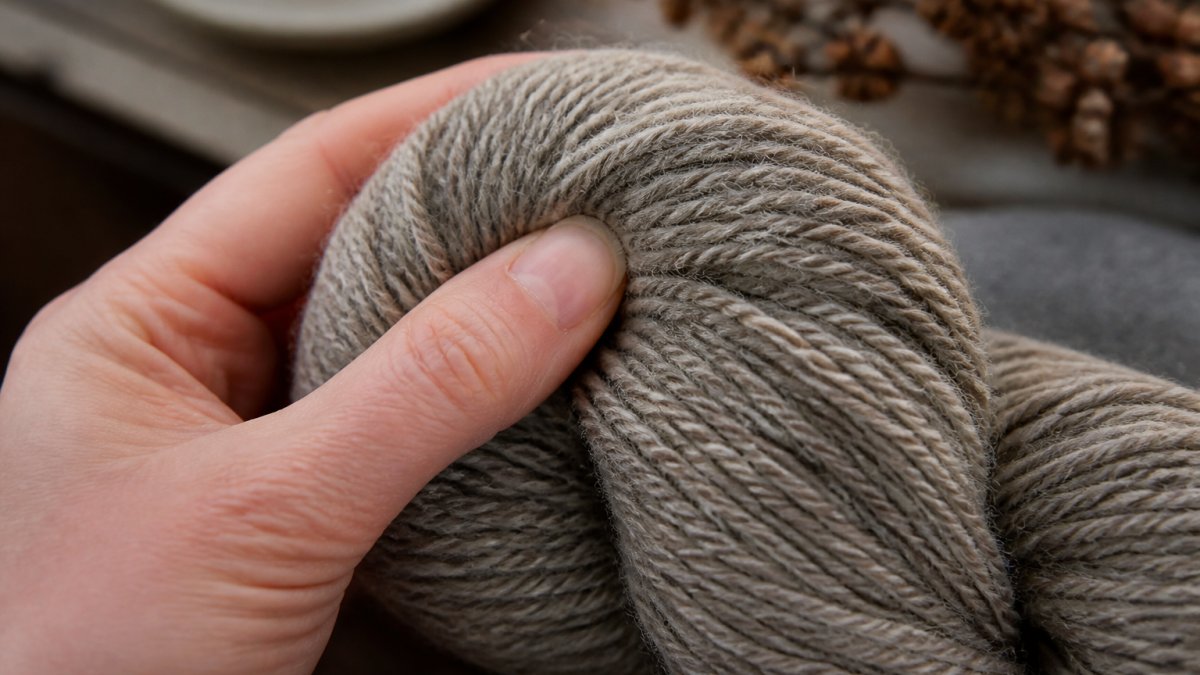
The Shetland sheep produce wool adapted to harsh climates. That heritage shows in the fiber's resilience: garments resist pilling, hold their shape through countless wears, and grow softer and more supple over time rather than deteriorating.
For knitters weighing why choose Shetland wool for winter clothing, the practical advantages matter most. A Shetland sweater worn in January regulates temperature across the day's swings, handles moisture without feeling damp, and won't stretch out of shape mid-project or mid-season. These aren't theoretical benefits, they're why knitters return to Shetland wool project after project.
The warmth of Shetland wool comes directly from its fiber structure. Each strand contains crimp, natural waves that prevent fibers from packing too tightly together, creating space for air to be trapped within the yarn. Trapped air is an insulator that slows heat loss from the body, so more air pockets mean a warmer garment without added bulk or weight.


This is why why choose Shetland wool for winter clothing becomes clear once you understand the physics. A Shetland sweater feels lighter than a comparable sweater made from smoother fibers, yet delivers equal or better warmth. Knitters often describe Shetland as "warm without the weight," and that's the fiber crimp at work.
Breathability matters equally. Wool absorbs moisture vapor from skin without feeling wet, then releases it to the air as conditions change, preventing the clammy feeling that comes from synthetic insulators or tightly-woven fibers that trap sweat. A Shetland sweater keeps the wearer comfortable through activity and rest, indoors and outdoors, exactly what winter layering demands.
The natural lanolin in Shetland wool also contributes to weather resistance. This waxy substance repels water droplets without blocking moisture vapor, so a Shetland garment handles light rain or snow without soaking through while still letting perspiration escape.
Merino wool dominates performance-wear marketing, but the comparison with Shetland wool reveals important trade-offs. Merino fibers are finer and smoother, producing a softer handfeel and less texture. For ultralight base layers and athletic wear, that fineness is an advantage.

Shetland fibers are coarser, thicker and more textured, and that coarseness is a structural advantage. Thicker fibers create more pronounced crimp, meaning more air pockets and stronger insulation. Merino excels in moisture management for active pursuits; Shetland excels in static warmth for sustained cold.
Durability matters for garments meant to last years. Shetland wool resists pilling far better than Merino because its thicker fibers don't break as easily under friction. For anyone choosing why choose Shetland wool for winter clothing as an investment piece, durability tips the scales decisively.
Merino also comes with a price premium that Shetland doesn't command. Fine Merino yarn costs significantly more per yard than comparable Shetland, making Merino sweaters expensive to produce.
Texture preference is genuinely personal. Merino feels smoother against skin; Shetland feels more textured and rustic. Knitters who prioritize that airy handfeel choose Merino; those who value warmth, durability, and heritage choose Shetland. Both are legitimate choices, depending on whether the priority is lightweight moisture management or maximum winter insulation.
| Characteristic | Shetland Wool | Merino Wool |
|---|---|---|
| Fiber thickness | Coarser, thicker | Fine, thin |
| Crimp structure | Pronounced, more air pockets | Subtle, fewer air pockets |
| Cold-weather warmth | Good insulation | Good insulation |
| Pilling resistance | Excellent | Moderate |
| Durability | Very high | Good (3-4 years typical) |
| Texture handfeel | Rustic, textured | Smooth, soft |
| Best use case | Winter knitwear, sweaters | Base layers, athletic wear |
Labels matter, but they're only the first check. Look for "100% Shetland wool" or "pure Shetland" on the yarn label. If the label says "Shetland-blend," the yarn contains Shetland mixed with other fibers, which changes performance characteristics.
Brae & Heather carries Southern Shetlands Yarn Naturals in fingering weight, which represents authentic Shetland fiber produced in the USA. The yarn comes undyed in natural colors, showing the true character of the fiber without chemical processing. Checking the source and production method matters because some yarns labeled "Shetland-style" are actually imitations made from other wool types.
Fiber content percentage is the first verification point, but texture and appearance provide secondary confirmation. Authentic Shetland yarn shows visible texture and slight color variation within each skein; the fibers don't lie perfectly smooth.
Price is a practical indicator. Authentic Shetland wool costs more than mass-produced alternatives because the fiber itself is more expensive to source and process. If a yarn labeled "Shetland" costs the same as mass-produced options, the label is likely misleading.
Ask the seller directly. Reputable yarn suppliers can trace their Shetland to specific producers and explain the production process, including whether the wool is dyed or natural, whether it's been processed for softness, and what the intended use cases are.
Choosing Shetland wool yarn for a sweater project requires matching weight and yardage to the intended garment. Fingering weight Shetland works beautifully for lightweight layers, shawls, and detailed colorwork where the fine weight showcases intricate Fair Isle or lace patterns. Jumper weight Shetland suits traditional sweaters, cardigans, and substantial winter pieces that demand serious insulation.
Southern Shetlands Yarn Naturals - Fingering →
The Southern Shetlands Yarn Naturals in fingering weight offers approximately 114 yards per skein, making it ideal for projects requiring precision and detail. This weight works with needles sized 3 to 3.5mm and produces 28 stitches over 4 inches in stockinette stitch.
Heavier Shetland weights work faster and suit knitters who want to complete a sweater in reasonable time. Jumper-weight yarn typically knits at 18-20 stitches per 4 inches, while still delivering the crimp structure and air-trapping properties that make Shetland exceptional for winter wear.
Natural, undyed Shetland yarn shows color variation that dyed yarn cannot match. This variation is a feature, not a limitation, and part of why knitters choose Shetland wool for winter clothing projects where the fiber itself becomes part of the design.
Consider project scope when selecting Shetland yarn. A small accessory like the Rionag Beanie Knitting Pattern works in fingering weight and showcases Fair Isle colorwork beautifully. A full sweater demands more yardage, making jumper weight more practical unless the knitter has months to dedicate.
Shetland wool requires gentle handling, but rewards careful care with years of reliable performance. Hand washing in cool water with wool-specific soap preserves the fiber structure and lanolin that give Shetland its weather resistance. Machine washing on delicate cycles works if the yarn label permits, but hand washing remains safest for investment pieces.
Use cool water, never hot, because heat can cause wool fibers to felt and shrink. Dissolve wool soap in the water before submerging the garment; don't pour soap directly on dry wool.
Drying matters as much as washing. Never wring Shetland wool, which breaks fibers and causes permanent damage. Instead, roll the damp garment in a clean towel to absorb moisture, then lay it flat to air-dry, reshaping while damp so it dries to the correct dimensions.
Storage protects Shetland garments between seasons. Fold sweaters and store flat rather than hanging, which can stretch the shoulders over time. Use cedar blocks or lavender sachets to deter moths, they're attracted to wool's protein content. Store in a cool, dry place away from direct light.
Pilling is minimal with Shetland because the coarse fibers resist breakage, but light pilling can occur in high-friction areas. Use a fabric comb or pilling stone gently to remove surface pills without damaging the underlying fabric. This maintenance takes minutes and keeps the sweater looking fresh for years.
A functional winter wardrobe built from Shetland wool starts with layering basics and expands to statement pieces.
Accessories multiply the versatility of a small Shetland collection. A Shetland hat retains heat efficiently while staying lightweight enough for active outdoor time, and scarves and cowls add insulation to the neck, a critical point for heat retention, without the weight of synthetic alternatives.
Why choose Shetland wool for winter clothing becomes obvious when the pieces get worn repeatedly. A well-made Shetland sweater survives multiple winters without pilling, stretching, or losing shape, justifying the investment compared to cheaper alternatives that need replacing annually.
Mix textures within the Shetland collection. Pair a smooth stockinette sweater with a Fair Isle patterned cardigan or a textured cable-knit vest. This variety keeps the wardrobe interesting while maintaining the performance benefits of authentic Shetland fiber across all pieces.
Consider the Shetland Wool Week Annual 2025 or 2026 for pattern inspiration. These books showcase how Shetland wool performs across construction techniques, Fair Isle, lace, cables, and simple garments.
Building a winter wardrobe that performs through real weather demands fiber chosen for function, not just appearance. Shetland wool delivers thermal insulation, moisture management, and durability that synthetic alternatives cannot match.
Shetland wool and merino wool both provide excellent warmth, but they work differently. Shetland wool's crimp structure traps more air, creating superior insulation in extremely cold conditions. Merino excels at temperature regulation and moisture management. For harsh winter climates, Shetland wool's density and air-trapping properties generally outperform merino. Choose based on your climate: Shetland for sustained cold, merino for variable temperatures.
Authentic Shetland wool has distinct characteristics: natural color variation, visible fiber crimp, and a dry handfeel. Check labels for 'Shetland wool' or 'Shetland sheep' origin claims. Reputable sources like Brae & Heather provide detailed product information about fiber origin and characteristics. Be cautious of blends marketed as Shetland; authentic versions are typically 100% natural fiber from Shetland producers.
Shetland wool excels in winter because of its unique fiber properties. The natural crimp in Shetland fibers creates countless tiny air pockets that trap body heat effectively, providing superior thermal insulation. The fibers are also naturally weather-resistant and durable, maintaining their structure through repeated wear and washing. Unlike synthetic alternatives, Shetland wool breathes, preventing overheating while retaining warmth, ideal for layering and active winter use.
Hand wash Shetland wool garments in cool water with gentle wool-specific detergent, then lay flat to dry away from direct heat. Store clean knitwear in breathable cotton bags or folded in drawers to prevent dust accumulation. Avoid hanging, which can stretch the fabric. Brush gently with a soft brush to restore texture and lift flattened fibers. Proper care preserves the fiber's natural resilience and ensures your winter pieces remain soft, warm, and long-lasting for years.


0 commentaire