
Easy Knitting Projects for Absolute Beginners
Publié le Oct 01, 2026
By Editorial Team
Économisez 25 % sur les patrons et accessoires de tricot, aucun code requis

Last Updated: September 30, 2026
Starting with easy knitting projects for absolute beginners is the smartest way to build confidence and develop core skills without overwhelming yourself. Beginning knitters who jump straight into complex patterns often abandon their needles within weeks, frustrated by dropped stitches, tension problems, and confusing instructions. Simple projects teach you the fundamentals, cast on, basic stitches, and cast off, in a way that feels achievable.
The real advantage of beginning with straightforward projects is that they let you focus on technique rather than pattern complexity. A dishcloth or simple scarf demands nothing more than repetitive knit and purl stitches, which means your hands can develop muscle memory while your brain learns to read patterns. By the time you finish your first project, you'll understand how yarn behaves, how tension affects your work, and how to troubleshoot common beginner mistakes.
Brae & Heather has curated resources specifically designed to support this learning journey, including beginner-focused guides and patterns that break down every step. This approach transforms knitting from an intimidating craft into an accessible hobby you can genuinely enjoy.
You don't need an expensive collection of tools to start knitting. A few quality basics, needles, yarn, and a tapestry needle, are all that stand between you and your first finished project.
Knitting needles come in three primary materials: metal, wood, and plastic. Metal needles like the Addi Turbo needles offer smooth, fast stitching because yarn glides effortlessly across nickel-plated brass tips. This speed can feel rewarding, though some beginners find metal needles intimidating because stitches slide off more easily if you lose tension.
Wood needles provide natural grip and warmth in your hands, slowing down your work just enough to maintain control. They're forgiving, stitches cling to the surface rather than sliding freely, which helps prevent dropped stitches while you're learning.
Plastic needles are the most affordable option and work fine for practice, though they wear quickly and can feel cheap compared to metal or wood.
For needle size, beginners benefit from needles between US 6 and US 10, which work well with worsted weight yarn. Larger needles create looser stitches that are easier to see and fix. Straight needles (the traditional two-needle style) suit flat projects like scarves and dishcloths. Circular needles and double-pointed needles (DPNs) come into play when you're ready to knit in the round for projects like hats and socks.
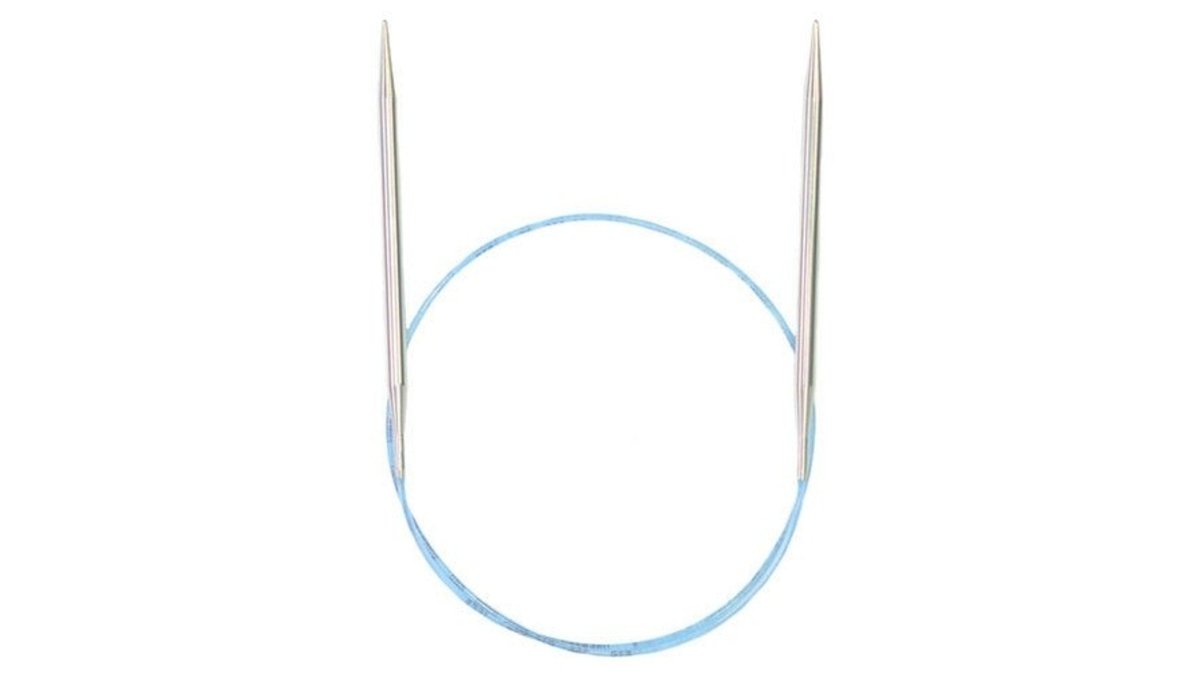
Beyond needles, a few additional tools make the process smoother. A tapestry needle (also called a yarn needle) has a large eye and a blunt tip, letting you weave in loose ends when you finish a project. Stitch markers, small rings or clips, sit on your needle to mark important points in your pattern, preventing counting mistakes. A measuring tape ensures your finished piece matches the pattern dimensions.

Many knitters also keep a small notebook nearby to track row counts or note where they stopped if they take a break. This simple habit prevents the frustration of losing your place mid-project.
The yarn you choose dramatically affects your knitting experience. Beginners need yarn that's forgiving, yarn that shows your stitches clearly so you can spot and fix mistakes, doesn't split when your needle passes through, and feels pleasant to work with for extended periods.
Worsted weight yarn is the standard choice for beginners. It's thick enough that stitches are easy to see, works quickly so you finish projects faster, and pairs well with needles in the US 6-10 range. Avoid thin yarns like fingering weight until you've built solid tension control; they require smaller needles and make mistakes harder to spot.
Natural fiber yarns, like wool and cotton, provide better stitch definition than acrylic options. Wool has natural elasticity that helps maintain consistent tension, making it forgiving when your technique is still developing. Cotton yarn works beautifully for dishcloths and summer projects but requires slightly more tension control. Avoid acrylic yarn entirely; it doesn't hold stitches clearly and lacks the memory that helps beginners maintain even tension.
Look for yarn with a smooth texture rather than fuzzy or novelty yarns. Fuzzy textures hide your stitches, making it impossible to see where you went wrong.
Two stitches form the foundation of all knitting: the knit stitch and the purl stitch. Every pattern you'll ever encounter combines these two basic movements in different ways. Once you master these, you've unlocked the ability to knit almost anything.
The knit stitch is the most basic movement in knitting. You insert your needle through a loop on the left needle, wrap yarn around the right needle, and pull a new loop through. This creates a smooth, vertical stitch on the front of your work.
The purl stitch is the reverse of the knit stitch. You insert your needle through a loop from the opposite direction, wrap yarn, and pull through. On the front of your work, a purl stitch looks like a bump. On the back, it looks like a knit stitch.
Garter stitch (knit every row) creates a thick, bumpy fabric with excellent stitch definition. It lies flat, doesn't curl at the edges, and is nearly impossible to mess up. Every beginner should start here.
A knitting pattern is simply a set of instructions written in shorthand. Once you understand the abbreviations and symbols, patterns become straightforward guides rather than confusing puzzles.
These three projects progress in difficulty while staying well within the beginner range. Each one teaches specific skills while producing something useful or gift-worthy.
A dishcloth is the perfect first project. It's small (typically 8 by 8 inches), requires only garter stitch, and teaches you cast on, knit stitch, and cast off in about two to four hours.
What you'll need:
Steps:
A scarf builds on dishcloth skills while introducing you to longer projects. A simple garter stitch scarf takes 10-20 hours depending on your desired length, but the repetitive rhythm becomes meditative.
What you'll need:
Steps:
A beanie introduces you to knitting in the round and simple shaping. Brae & Heather offers the Triple B Beanie pattern, a free, straightforward design perfect for building confidence with circular needles.

What you'll need:
Steps:
Understanding these frequent pitfalls helps you sidestep frustration and keep your projects moving forward.
Easy knitting projects for absolute beginners transform what seems like an intimidating craft into an accessible, rewarding hobby. Start with a dishcloth or scarf, master the knit and purl stitches, and build from there. Brae & Heather's curated collection of beginner patterns, including the free Triple B Beanie and detailed instructional guides like Knitting for Beginners: The Unbelievable Guide to Knitting with Pictures, Instructions, and Lessons, provides the clear, step-by-step support you need to finish your first projects with confidence.

Dishcloths and washcloths are the easiest projects for absolute beginners. They use simple garter stitch (knit every row), require minimal shaping, and teach you the fundamentals of cast on, knit stitch, and bind off. A dishcloth typically takes 3-5 hours to complete and uses affordable yarn. Many knitters find the repetitive motion meditative and gain confidence quickly since mistakes are less visible in garter stitch texture.
You need knitting needles, yarn, a tapestry needle for weaving in ends, and stitch markers to track your progress. For beginners, aluminum needles work well, aluminum allows stitches to glide smoothly. A pair of scissors is helpful but optional. Quality tools like Addi Turbo needles ($16.00) reduce hand fatigue and make learning more enjoyable, though budget-friendly options work fine while you're starting out.
Select yarn in light colors (white, cream, pale yellow) so you can see your stitches clearly. Medium weight yarn (worsted weight) is ideal, it's easier to handle than thin yarn and works up faster than bulky options. Natural fibers like wool provide good grip and help prevent dropped stitches. Avoid dark colors and novelty yarns when learning.
A simple dishcloth takes 3-5 hours, a basic scarf 10-20 hours depending on length, and a beginner beanie 8-12 hours. Most beginners complete their first project within 1-2 weeks of regular practice. The timeline depends on how often you knit and your tension consistency. Starting with shorter projects builds momentum and confidence, finishing something in a few hours is far more encouraging than abandoning a large project halfway through.

0 commentaire