Authentic shetland wool begins with the sheep themselves. The Shetland breed, native to the remote islands north of mainland, produces wool with distinctive characteristics that cannot be replicated by other breeds or manufacturing processes. Understanding fiber micron count, natural color palette, and traditional dyeing methods separates genuine shetland wool from imposters marketed under the same name.
Brae & Heather specializes in curating authentic shetland wool products that honor these traditional qualities. The distinction matters because genuine shetland wool delivers superior insulation, durability, and aesthetic depth compared to wool blended with synthetic fibers or lower-grade alternatives.
Fiber Micron Count and Texture
Shetland wool typically measures between 19-24 microns in diameter, placing it in the medium-fine range (peer-reviewed research). This micron count creates the characteristic softness and drape that makes shetland wool ideal for garments worn close to the skin. Finer microns mean smoother fiber surfaces, reducing the prickle factor that deters many knitters from working with wool.
The texture of authentic shetland wool reflects its woollen-spun construction rather than worsted. Woollen spinning traps air between fibers, creating loft and insulation properties superior to tightly twisted worsted yarns. This construction method has been used in shetland for centuries, and it remains the hallmark of traditional production.
When examining shetland wool, run your fingers across the yarn to assess texture. Authentic shetland should feel slightly fuzzy rather than slick, a sign of proper woollen preparation. If the yarn feels overly smooth or plastic-like, it likely contains synthetic blending or has been processed in a way that compromises its natural character.
Natural Colors and Traditional Dyeing
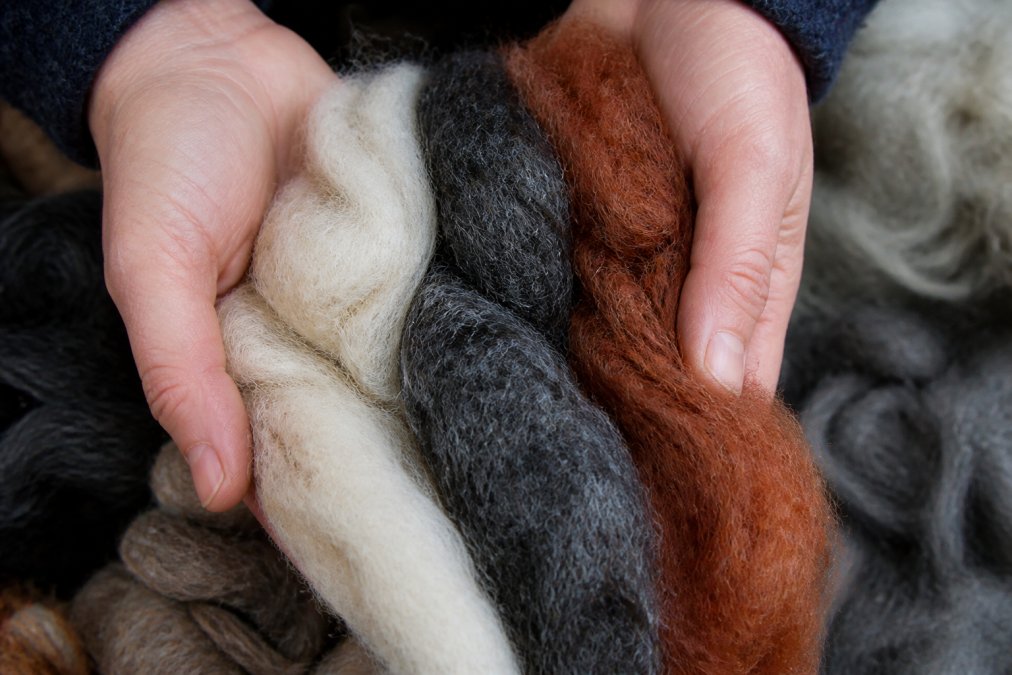
Natural shetland wool arrives in a palette of undyed shades: cream, white, charcoal, moorit (reddish-brown), and dark brown. These colors emerge directly from the sheep's fleece without chemical intervention. Traditional Fair Isle garments relied almost exclusively on these natural hues, creating depth and complexity through colorwork rather than artificial dyes.
Modern shetland wool production includes both natural and dyed options. Traditional dyeing methods use plant-based materials, madder root for reds, woad for blues, lichen for yellows (peer-reviewed research). These dyes bond differently to wool than synthetic alternatives, producing colors with subtle variations and a quality that deepens with age rather than fading.
When shopping for authentic shetland wool, check whether the yarn is described as "natural," "traditionally dyed," or "acid-dyed." Natural and traditionally dyed yarns preserve the heritage qualities that make shetland wool distinctive. Acid dyes, while not inherently problematic, represent a departure from traditional methods and may indicate the yarn has been processed outside shetland or by producers less committed to heritage techniques.
Close-up of hands holding strands of natural Shetland wool in cream, charcoal, and rust tones, showing fiber texture and color depth
How to Verify Authenticity When Buying Online
Online shopping for shetland wool requires scrutiny because sellers use the term "shetland" loosely. Some retailers apply the label to any wool processed in shetland, while others use it for wool that merely mimics shetland characteristics. Verifying authenticity means reading labels carefully, understanding yarn construction, and recognizing legitimate producers.
Reading Fiber Content Labels
A legitimate shetland wool label states "100% Shetland wool" or "100% Shetland." Any percentage lower than 100 indicates blending with other fibers. Blends reduce the distinctive qualities of authentic shetland wool, its insulation, resilience, and aesthetic character. The brand Brae & Heather carries only all-natural fiber options, reflecting a commitment to preserving shetland wool's integrity.
Look for the producer's name on the label. Jamieson & Smith, one of the oldest shetland mills, produces yarn that carries their name prominently. Other established shetland producers include Jamieson's of Shetland and smaller heritage mills. If a label lists only a distributor or retailer name without naming the actual producer, request clarification before purchasing.
Jamieson & Smith 2ply Jumper Weight
Check for yardage and weight information. Authentic shetland wool typically yields specific yardage per weight that reflects its construction. For example, a jumper-weight shetland yarn should provide roughly 120-150 yards per 50 grams. Yardage significantly lower than this range suggests the yarn is heavier or less densely spun than traditional shetland.
Checking Yarn Weight and Ply Structure
Shetland wool comes in distinct traditional weights: fingerling (smallest), lace, jumper, and bulky. Each weight serves specific purposes in heritage knitting. Fingerling weight, roughly equivalent to fingering or sock yarn in modern terminology, was historically used for intricate Fair Isle colorwork and fine garments. Jumper weight, slightly heavier, creates durable cardigans and pullovers.
The term "ply" refers to the number of strands twisted together. Traditional shetland jumper weight is typically 2-ply or 4-ply woollen, meaning either two or four strands are twisted together. A 2-ply jumper weight feels lighter and more delicate than a 4-ply, despite both being classified as jumper weight. Understanding ply structure helps predict how the yarn will behave in your project.
Examine the yarn twist carefully. Authentic shetland wool has a characteristic soft twist that reflects woollen-spun construction. If the yarn appears tightly twisted or feels hard, it may have been processed using worsted methods or blended with synthetic fibers that create a different hand.
Shetland Wool Yarn for Fair Isle Knitting
Fair Isle knitting represents the most iconic use of shetland wool. This colorwork technique, developed on Fair Isle itself, relies on the specific properties of authentic shetland wool to achieve its distinctive appearance. The combination of natural colors, medium-fine micron count, and traditional ply structure makes shetland wool uniquely suited to Fair Isle patterns.
Traditional Shetland Yarn Weights
Fingerling-weight shetland wool remains the traditional choice for authentic Fair Isle garments. This weight allows knitters to work intricate two-color patterns with precision. The fine gauge produces dense fabric that showcases colorwork detail while maintaining the drape and softness that characterize shetland garments.
Jumper weight shetland offers a faster knitting pace for larger projects. Traditional shetland cardigans and pullovers were knit in jumper weight, creating garments that balance detail with practicality. The slightly heavier weight produces fabric with excellent insulation and durability without sacrificing the characteristic softness.
Brae & Heather carries Jamieson & Smith 2ply Jumper Weight at $6.99 per skein, a traditional choice for heritage Fair Isle projects. The Shetland Heritage Naturals option at $6.99 per skein recreates characteristics of handspun yarn found in museum collections, offering knitters a connection to historical techniques.
Jamieson & Smith Shetland Heritage Naturals
Fair Isle Techniques and Pattern Selection
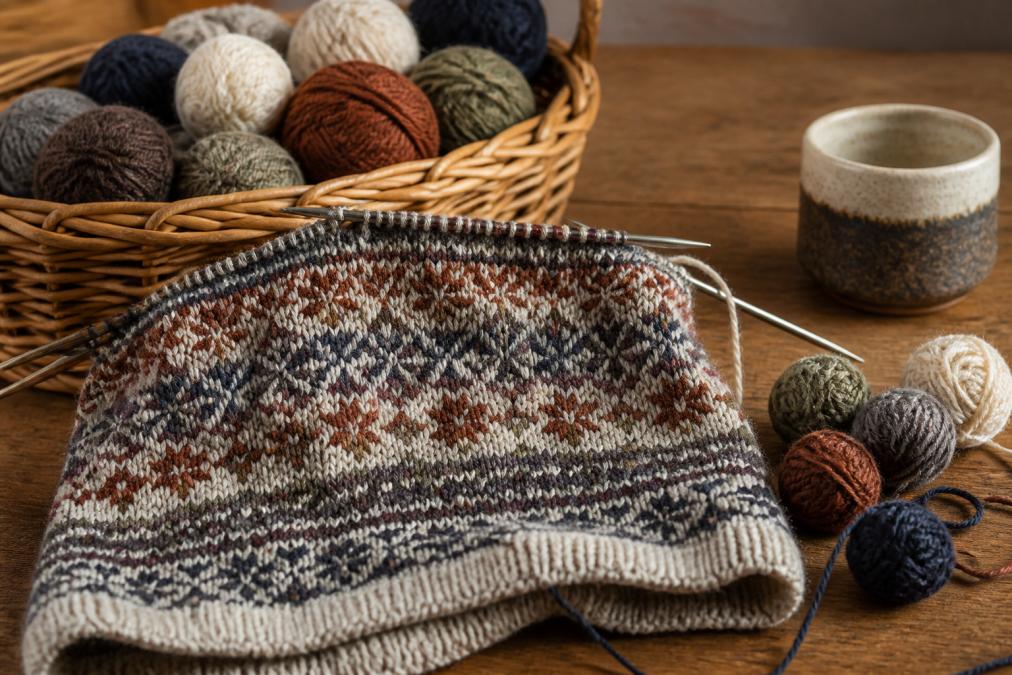
Fair Isle knitting involves carrying two colors in each row, creating patterns through strategic color placement. Traditional Fair Isle patterns use only the natural shetland palette, cream, charcoal, moorit, and dark brown, creating subtle depth through hue variation rather than high contrast.
Beginning Fair Isle knitters often struggle with tension management when carrying multiple colors. Shetland wool's slightly fuzzy texture actually helps here, as the fibers grip each other and prevent laddering (loose vertical lines) that plague tighter, smoother yarns. This forgiving quality makes shetland wool ideal for developing Fair Isle skills.
Pattern selection should match your experience level. Simple two-color patterns with large repeat units suit intermediate knitters new to colorwork. Complex patterns with many color changes and small repeats demand advanced tension control. Authentic shetland wool patterns from heritage sources typically provide clear guidance on difficulty level and construction method.
A partially completed Fair Isle knit project displayed on needles, showing traditional colorwork pattern with natural Shetland wool in multiple shades
Best Practices for Knitting with Shetland Wool
Working with shetland wool requires attention to technique and care. The fiber's natural properties demand different approaches than synthetic or heavily processed wools. Understanding gauge, tension, and maintenance ensures successful projects that showcase shetland wool's qualities.
Gauge and Tension Considerations
Shetland wool's woollen construction creates inherent elasticity. This means shetland fabric stretches more than worsted-spun alternatives. Knitters accustomed to worsted yarn often find their shetland gauge looser than expected, resulting in larger-than-intended finished projects.
Knit your gauge swatch in the pattern stitch you plan to use, not stockinette. Fair Isle colorwork creates denser fabric than plain knitting, so your gauge swatch must replicate the actual stitch pattern. Wash and dry your swatch using the same method you'll use for the finished garment, as shetland wool can bloom slightly when wet, affecting final dimensions.
Pay attention to tension when carrying colors in Fair Isle. Uneven tension creates visible distortions in colorwork patterns. Practice keeping tension consistent across color changes. Many knitters find that working with slightly looser tension than they normally use prevents the tight, puckered appearance that results from pulling colors too firmly.
Care and Maintenance of Woolen Garments
Shetland wool garments require gentle care to preserve their qualities. Hand washing in cool water with wool-specific soap protects the fiber structure. Machine washing, even on delicate cycles, risks felting and matting that permanently damage the garment.
Dry shetland garments flat on a clean towel rather than hanging them, which stretches the fabric. The slight blooming that occurs during washing and drying actually improves the garment's softness and drape. Allow several hours for complete drying in a well-ventilated space.
Store shetland garments folded rather than hanging to prevent stretching. Cedar or lavender sachets deter moths without the chemical smell of mothballs. Shetland wool naturally resists odor absorption, so garments need less frequent washing than synthetic alternatives, a benefit for both the garment's longevity and environmental impact.
Shetland Wool vs. Merino Wool: What You Need to Know
Merino wool has gained popularity in recent years as a premium fiber, but it differs significantly from shetland wool in origin, characteristics, and heritage. Understanding these differences helps knitters choose the fiber that best suits their project goals and values.
Shetland wool comes from a specific sheep breed native to shetland. Merino wool comes from Merino sheep, which originated in Spain and now populate Australia, New Zealand, and other regions. This geographic and genetic distinction creates fundamental differences in fiber properties and production methods.
Merino wool typically measures 17-24 microns, overlapping with shetland's range but often leaning finer (peer-reviewed research). Merino wool's reputation for softness is well-earned, but this fineness comes with reduced durability compared to shetland. Merino garments pill more easily and wear through faster in high-friction areas, particularly with frequent washing.
Shetland wool produces garments with superior longevity. The fiber's natural crimp and elasticity create fabric that resists pilling and maintains its shape through years of wear. Heritage shetland garments in museum collections demonstrate durability that merino wool rarely achieves.
The aesthetic difference is equally important. Shetland wool's woollen construction creates characteristic loft and texture that merino's worsted processing cannot replicate. Fair Isle patterns worked in shetland wool display depth and subtlety that merino's smoother surface cannot achieve. For knitters seeking heritage garments with historical accuracy, shetland wool remains the authentic choice.
Merino wool excels in athletic and performance applications where moisture-wicking matters. Shetland wool prioritizes insulation, durability, and aesthetic qualities. Choosing between them depends on your project's purpose and your commitment to traditional textile heritage.
Sourcing Authentic Shetland Wool with Confidence
Finding legitimate shetland wool online requires knowing where to look and what questions to ask. Established retailers with deep knowledge of shetland production offer the best assurance of authenticity. Direct relationships with heritage mills and transparent sourcing practices distinguish trustworthy sellers from those using "shetland" as marketing language.
Sustainability and Ethical Sourcing
Authentic shetland wool production maintains traditional practices that prioritize animal welfare and environmental stewardship. Heritage mills in shetland operate on small scales, using methods refined over centuries. This approach contrasts sharply with industrial wool production that prioritizes volume over quality.
Shetland sheep graze on moorland with minimal human intervention. The breed has adapted to harsh climates over generations, requiring no special care or artificial inputs. This natural resilience means shetland wool production involves fewer chemical inputs and less environmental disruption than industrial alternatives.
When purchasing shetland wool, ask retailers about their sourcing practices. Legitimate sellers can trace their yarn to specific mills and explain their production methods. Brae & Heather's commitment to premium materials reflects this transparency, each product is selected for quality and ethical sourcing, ensuring that your purchase supports traditional craftsmanship.
Heritage and Heirloom Quality
Shetland wool garments represent investments in textile heritage. Properly cared-for shetland wool pieces last decades, developing character and patina that synthetic alternatives cannot achieve. This longevity makes shetland wool economically sensible despite higher upfront costs.
The heritage aspect extends beyond durability. Wearing shetland wool connects knitters to centuries of tradition. Fair Isle patterns, natural colors, and traditional construction methods link contemporary makers to the craftspeople who developed these techniques. This cultural continuity transforms a garment from mere functional clothing into a tangible connection to textile history.
Building a collection of shetland wool projects creates personal heirlooms. Each finished piece represents hours of focused attention and skill development. Shetland wool's durability ensures these projects can be passed to future generations, preserving both the physical object and the story of its creation.
Choosing authentic shetland wool elevates your knitting practice from hobby to meaningful craft engagement. The fiber's heritage, durability, and aesthetic depth reward careful selection and thoughtful work. Brae & Heather curates authentic shetland wool options that honor this tradition, offering knitters access to premium materials and expertly designed patterns that inspire creativity and connection to textile heritage. Start your shetland wool project with products selected for quality and authenticity, and discover how genuine materials transform the knitting experience.
Frequently Asked Questions
Q: How can you tell if Shetland wool is authentic when buying online?
A: Authentic Shetland wool should list 100% Shetland sheep wool on the label with no acrylic or synthetic blends. Check the micron count (genuine Shetland typically ranges 19-24 microns), examine the ply structure (2ply, 3ply, or 4ply), and verify the producer. Reputable sellers like Brae & Heather provide detailed fiber content, yarn weight specifications, and sourcing information. Request photos or samples if color accuracy concerns you, and look for heritage certifications from established producers.
Q: What is the difference between Shetland wool and merino wool?
A: Shetland wool is coarser (19-24 microns) with exceptional insulation and durability, making it ideal for Fair Isle and heritage garments. Merino wool is finer (15-25 microns) and softer, better suited for next-to-skin wear. Shetland offers richer natural colors and traditional character; merino excels in temperature regulation and comfort. For Fair Isle projects and heirloom pieces, Shetland's texture and color depth are unmatched. Choose based on your project: Shetland for pattern work and longevity, merino for everyday softness.
Q: Why is Shetland wool preferred for Fair Isle knitting?
A: Shetland wool's traditional heritage, vibrant natural colors, and ideal gauge make it the authentic choice for Fair Isle. The yarn's structure holds complex colorwork patterns cleanly, and the natural dyes produce the depth of color impossible to replicate. Historically, Fair Isle knitters used Shetland wool because it was local and perfect for the technique. Today, using genuine Shetland connects your project to that textile heritage while delivering superior stitch definition and garment longevity.
Q: What should I look for when buying Shetland wool online?
A: Verify 100% Shetland fiber content, check the yarn weight and ply count, and confirm yardage per skein. Look for detailed color descriptions and request photos if needed. Review the producer's reputation and sourcing practices. Examine return policies for color or quality concerns. Quality Shetland wool like [Jamieson & Smith 2ply Jumper Weight](https://www.braeandheather.com/products/shetland-2ply-jumper) ($6.99) or [Shetland Heritage](https://www.braeandheather.com/products/jamieson-smith-shetland-heritage) options ($6.99) offer consistent quality and transparent fiber information. Avoid suspiciously low prices, which often signal blends or lower-grade fiber.





0 commentaire