
5 Best Shetland Wool Brands for Knitting
Publié le Oct 04, 2026
By Editorial Team
Économisez 25 % sur les patrons et accessoires de tricot, aucun code requis

Last Updated: October 5, 2026
Authentic Shetland wool brands deliver distinctive character that mass-produced yarns cannot replicate. The fiber's natural warmth, durability, and subtle heathered tones define traditional Fair Isle work. Understanding which brands offer truly authentic Shetland wool, spun from fiber grown and processed in the Shetland Islands, separates genuine options from yarn merely labeled with the name.
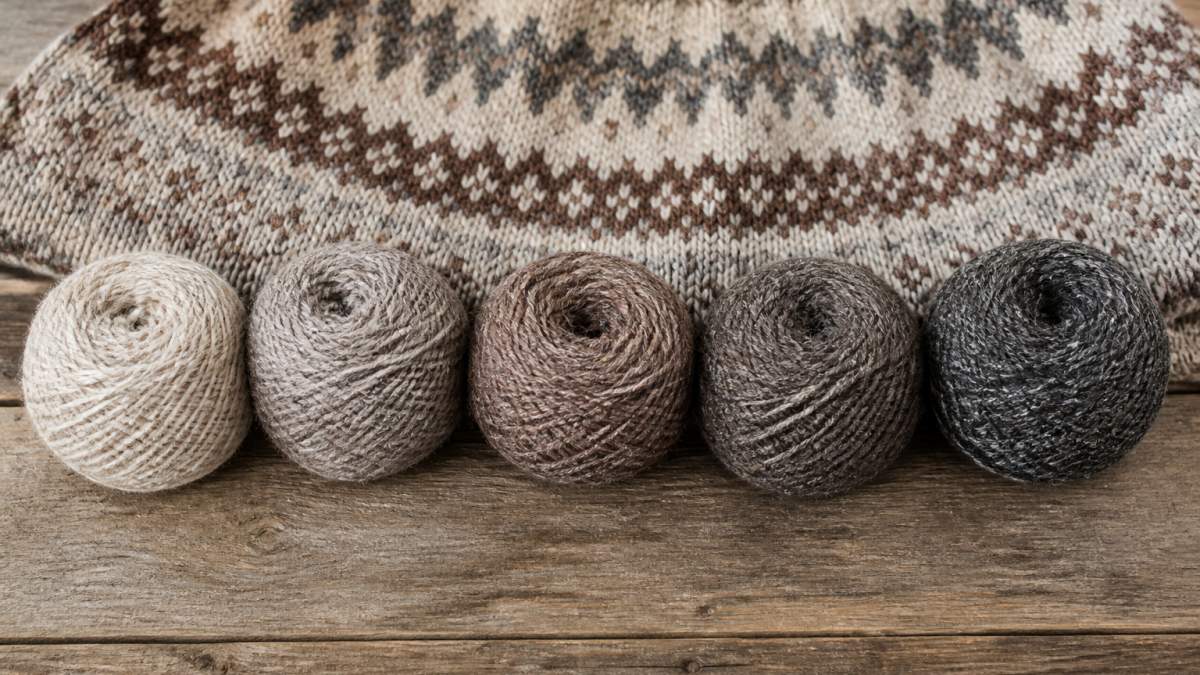
Brae & Heather offers a curated selection of authentic Shetland wool options, each with distinct yarn weights and suitability for different projects.
| Brand & Product | Yarn Weight | Yardage per Ball | Price | Best For |
|---|---|---|---|---|
| Jamieson & Smith Shetland Heritage Naturals | Fingering (2.8nm) | 110m / 120yds | $6.99 | Fair Isle colorwork with fine detail |
| Jamieson & Smith 2ply Jumper Weight | Fingering (2ply) | 105m / 114yds | $6.99 | Traditional Fair Isle garments |
| Jamieson & Smith Shetland Aran Worsted | Aran (2/2.2nm) | 61m / 66yds | $8.49 | Cables, warmth, and worsted projects |
| Jamieson & Smith Shetland Heritage | Fingering (2.8nm) | 110m / 120yds | $6.99 | Stranded colorwork and fine detail |
| Southern Shetlands Yarn Naturals | Fingering (3-ply) | 114yds | $16.99 | Detailed work, shawls, and lightweight garments |
Jamieson & Smith Shetland Heritage Naturals recreates traditional Shetland 'wursit' yarns found in historic Fair Isle garments. This worsted-spun yarn delivers smooth finish with clear color definition essential for stranded colorwork. The fine weight (2.8nm) works at 30 stitches and 32 rows over 10cm in Fair Isle with 3mm needles, ideal for knitters seeking authentic heritage aesthetics.


The 100% Shetland wool composition ensures natural warmth and durability. Each 25g ball contains 110 meters of yardage. The worsted spinning creates yarn that photographs beautifully in colorwork, with each color standing distinct. This is the choice for knitters wanting Fair Isle work that echoes nineteenth-century techniques with contemporary yarn consistency.
Jamieson & Smith 2ply Jumper Weight represents the classic foundation of Fair Isle knitting tradition. This woollen-spun yarn creates the characteristic depth, texture, and subtle color variation that define authentic Fair Isle garments. At 28 stitches and 32 rows over 10cm in Fair Isle, it suits sweaters, accessories, and detailed colorwork.

The woollen spinning produces natural elasticity and superior insulation. Each 25g ball yields approximately 105 meters.
Jamieson & Smith Shetland Aran Worsted shifts focus from fine colorwork to substantial, warm garments. This worsted-spun aran weight (2/2.2nm) knits to 19 stitches and 22 rows over 10cm with 4mm needles, offering faster completion and genuine insulating capacity for functional sweaters.
The 100% Shetland wool composition delivers durability and warmth in substantial form. Each 50g ball contains 61 meters of yardage, requiring fewer balls than fingering-weight alternatives. Available in 13 traditional shades plus 5 undyed options.
Aran weight suits cable-heavy designs and textured stitches. The smooth worsted finish shows cables beautifully. For knitters seeking a versatile single Shetland wool yarn for sweaters, cardigans, and accessories, Aran weight provides versatility without compromising authenticity.
Jamieson & Smith Shetland Heritage (fine-weight variant) offers another approach to authentic Fair Isle work. Like Shetland Heritage Naturals, this worsted-spun yarn recreates historic 'wursit' character with 2.8nm weight, 110 meters per 25g ball, and 30 stitches over 10cm in Fair Isle.
This yarn excels for knitters prioritizing stitch clarity. The worsted spinning ensures consistent yarn behavior across color changes. At fingering weight, it suits detailed projects, lace-edged Fair Isle, intricate yokes, and small accessories.
Southern Shetlands Yarn Naturals is a 3-ply fingering-weight wool produced in the USA for detailed knitting and colorwork. This yarn delivers approximately 114 yards per ball with suggested needles of 3 to 3.5mm. The gauge matches other fingering options (28 stitches and 32 rows over 10cm in Fair Isle).
The yarn is 100% wool with the natural character that defines quality Shetland-style fiber. Produced in the USA, it offers accessibility while maintaining the warmth, durability, and aesthetic qualities knitters expect from Shetland wool.
This yarn suits shawls, socks, lightweight garments, and intricate accessories where generous yardage and fine weight enable detailed work. The natural fiber character means each skein carries subtle variation, a feature some knitters prize for visual interest.
Selecting the right Shetland wool brand and weight requires understanding your project's demands and your skill level with stranded knitting. The five options above cover the most common needs, but the decision process extends beyond brand names to yarn weight, spinning method, and intended use.
Yarn weight determines project completion speed, garment drape, and the visual impact of colorwork. Fingering-weight Shetland wool (both 2-ply and worsted variants) suits detailed Fair Isle, accessories, and garments requiring fine stitch definition. These weights demand more yardage and patience but reward knitters with intricate colorwork potential and authentic heritage aesthetics.
Aran weight accelerates project completion and suits sweaters where warmth and cable work take priority over fine colorwork. The heavier yarn means fewer stitches to manage and faster progress toward finished garments. Knitters seeking their first substantial Shetland wool sweater often find Aran weight more approachable than fingering alternatives.
Jamieson & Smith Shetland Heritage Naturals →
Gauge directly impacts finished garment size and fabric character. Swatching in your intended stitch pattern, Fair Isle, cables, stockinette, ensures your finished project matches expectations. Woollen-spun yarns like 2ply Jumper Weight require Fair Isle swatches to reveal accurate gauge.
Fair Isle knitting demands specific yarn characteristics: sufficient stitch definition to separate colors, elasticity to accommodate the tension variations inherent in stranded work, and visual depth that makes color combinations distinctive. Shetland wool delivers all three, but spinning method affects the outcome.
Woollen-spun yarns like 2ply Jumper Weight create the characteristic depth and subtle texture variation of traditional Fair Isle. The yarn's natural loft produces garments with genuine insulation and the visual richness that distinguishes heritage Fair Isle from contemporary colorwork. Knitters seeking to recreate historic garments or work patterns from museum collections recognize woollen-spun Shetland as the closest match to original materials.
Worsted-spun options like Shetland Heritage Naturals and Shetland Heritage deliver smoother stitch definition, making individual colors stand distinct and clear. This approach suits modern Fair Isle designs where color separation matters more than texture variation. The smooth finish photographs beautifully and suits knitters who prefer consistent yarn behavior across color changes.
Stranded colorwork requires managing two yarn colors simultaneously. The fiber's warmth means Fair Isle sweaters function as genuine winter garments.
Merino wool and Shetland wool serve different purposes and deliver distinct characteristics. Understanding these differences clarifies why authentic Shetland wool remains the preferred choice for heritage Fair Isle work despite merino's popularity in contemporary knitting.
Shetland wool originates from sheep bred specifically for the Shetland Islands' harsh climate. The fiber developed distinctive properties: natural warmth, durability, and the ability to hold dyes in ways that create subtle heathered and tweed effects. The wool's structure supports traditional Fair Isle techniques and produces garments that improve with age and wear.
Merino wool comes from merino sheep bred worldwide. The fiber is finer and softer than traditional Shetland, producing garments with different drape and wearing characteristics. Merino excels for next-to-skin garments and projects where softness prioritizes over durability. However, merino's smooth structure lacks the textural depth that defines authentic Fair Isle work.
The visual difference becomes apparent in finished colorwork. Shetland wool's natural character creates subtle color variation and depth that makes Fair Isle distinctive. Merino's uniformity produces cleaner color separation but loses the visual richness that draws knitters to heritage techniques. For projects inspired by historic Fair Isle garments or museum pieces, Shetland wool remains the authentic choice.
Durability differs significantly. Shetland wool garments worn for decades develop character and patina. The fiber strengthens with wear and washing. For knitters seeking heirloom-quality sweaters, Shetland wool justifies the investment in time and skill.
Shetland wool brands offer knitters access to materials and techniques that define heritage Fair Isle traditions. At Brae & Heather, the curated selection of premium Shetland wool and expertly designed knitwear patterns ensures knitters find both the materials and inspiration to elevate their craft.
Shetland wool comes from sheep native to the Shetland Islands and is prized for its distinctive character, warmth, and durability. Unlike merino, which is soft and fine, Shetland wool has more texture and depth, making it ideal for stranded colorwork and Fair Isle patterns. The fiber content is 100% natural wool, and traditional Shetland yarns are spun to bring out the color variations and heathered effects that make each skein unique. This makes Shetland wool especially suited to heritage knitting techniques.
Yes, Shetland wool is exceptionally well-suited to colorwork. The yarn's natural character and stitch definition make it perfect for stranded knitting and Fair Isle patterns. Worsted-spun varieties like Jamieson & Smith Shetland Heritage Naturals are specifically designed for this purpose, offering clear color separation and the depth that historic Fair Isle garments are known for. The fiber's traditional spinning method enhances color contrast, making your colorwork designs stand out with authentic character.
Shetland wool garments should be hand-washed in cool water with mild detergent, then gently squeezed (never wrung) to remove excess moisture. Lay flat to dry away from direct heat or sunlight. Because Shetland wool is naturally durable and long-wearing, proper care will extend the life of your finished projects significantly. Avoid machine washing and high heat, which can felt the fibers. Store clean, dry garments in a breathable container with cedar or lavender to protect against moths.
Yarn weight depends on your project and experience level. Fingering weight (like Jamieson & Smith 2ply Jumper Weight at 105 meters per 25g ball) works well for detailed accessories and shawls but requires patience. Worsted weight (Shetland Heritage Naturals at 110 meters per 25g) is ideal for Fair Isle sweaters and offers faster progress. Aran weight (Shetland Aran Worsted at 61 meters per 50g) creates dense, warm garments quickly. Check your pattern's gauge requirements to match the right weight for your project.
Substitution is possible if you match the yarn weight and gauge. For example, if a pattern calls for 28 stitches and 36 rows over 4 inches in stocking stitch, you can use any Shetland wool with the same gauge. However, different spinning methods (woollen vs. worsted) and yarn structures affect how stitches look, especially in colorwork. Shetland Heritage Naturals (worsted-spun) and 2ply Jumper Weight (woollen-spun) will create different visual effects even at the same gauge, so test-swatch first to ensure the look matches your vision.

0 commentaire